Category: Fission Yeast

  • Story 1: Fission Yeast

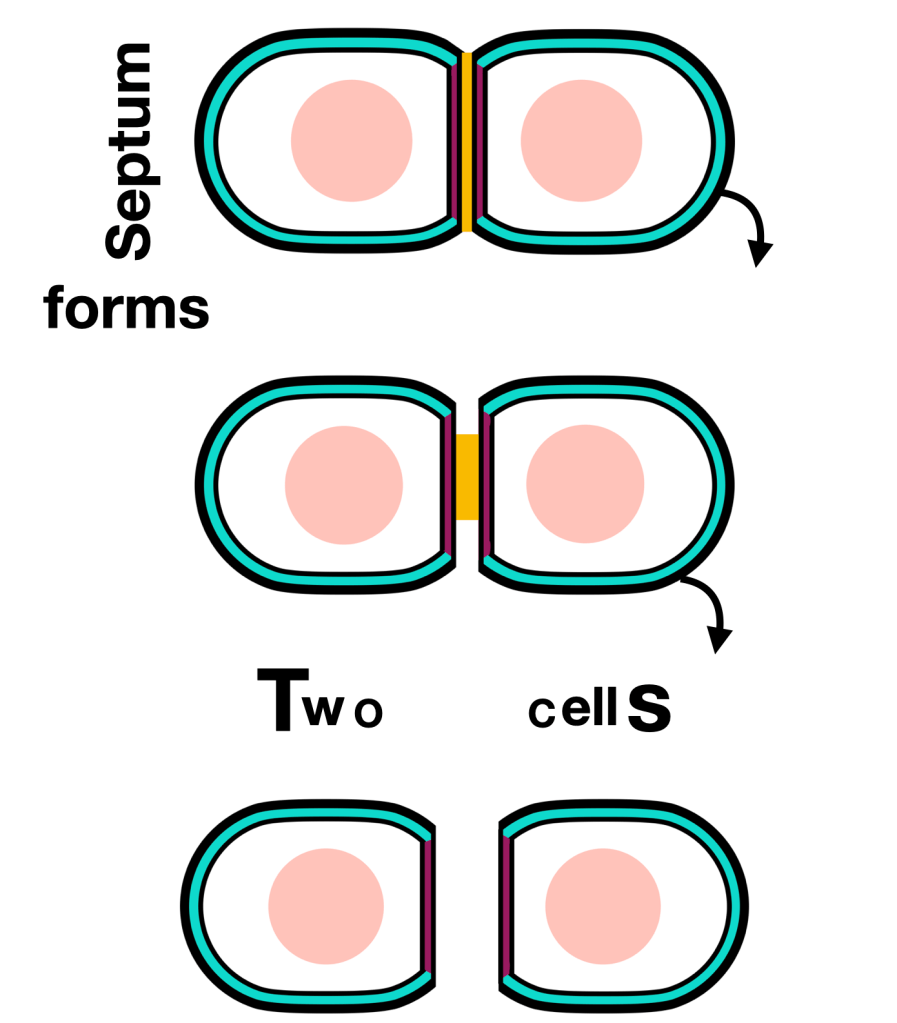
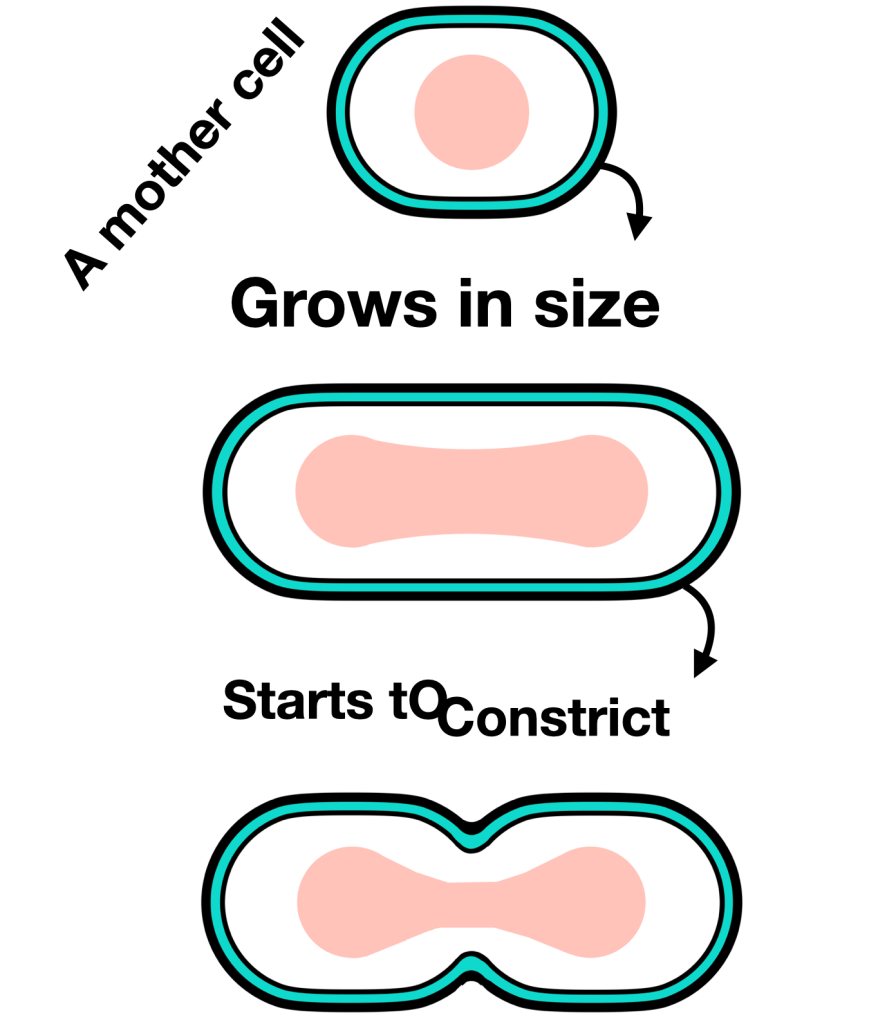
    Fission yeast are single-celled, simple eukaryotes that undergo closed mitosis where the nuclear envelope stays intact throughout division (Upper Figure 1). During mitosis, an actin‑myosin contractile ring (ACR) assembles and constricts, then cytokinesis finishes via septation, where a cell-wall-like structure, the septum, forms between the two daughter cells, separating them completely (Lower Figure 1).

    Figure 1: Fission Yeast Cell Division From Closed Mitosis to Cytokinesis.
  • Story 2: Fission Yeast Cell Cycle Clock

    The fission yeast cell cycle progresses through G1, S, G2, and M phases, guided by a cell cycle clock that precisely times each step. Checkpoints act as “guards,” ensuring DNA is accurately replicated and chromosomes are properly segregated. During S phase, DNA is duplicated, and in M phase, mitosis and cytokinesis produce two genetically identical daughter cells, maintaining proper growth and division.

    This Cell Cycle Clock figure illustrates the transitions through the four phases: the red pointer indicates the current phase, while the black pointer shows the previous phase.